
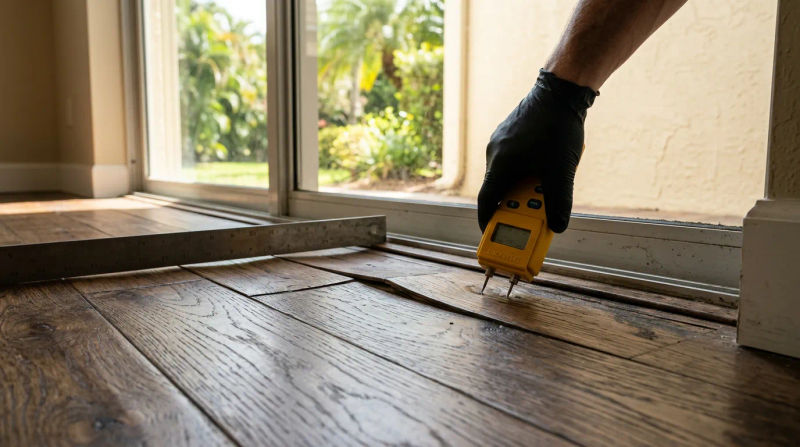
You walk through your living room to get your morning coffee and notice it for the first time - a slight bounce in the floor near the sliding glass door. Or perhaps it’s a new, persistent squeak in the hallway that wasn’t there last summer. As the intense humidity of a long South Florida summer gives way to the drier air of October, our homes begin to adjust, and sometimes, those adjustments reveal underlying problems with our flooring. Before the holiday season brings extra foot traffic from family and friends, now is the perfect time to listen to what your floors might be telling you.
As a project manager with over a decade of experience in residential renovations, I've seen how easily small flooring issues can escalate. What starts as a minor annoyance can be a symptom of a much larger problem lurking beneath the surface. Understanding these early flooring replacement signs is crucial for protecting your home's value and structural integrity.
Common Signs and Symptoms
Identifying flooring problems early starts with paying attention to subtle changes. While everyday scratches and scuffs are normal, more significant issues often present themselves in ways that affect the look, feel, and even sound of your floors. Our technicians are trained to spot these indicators during an initial assessment.
- Cupping, Crowning, or Buckling: These terms describe boards that are no longer flat. Cupping is when the edges of a plank are higher than its center, creating a concave shape. Crowning is the opposite, with the center of the plank bulging upward. Buckling is the most extreme form, where the flooring lifts dramatically from the subfloor, sometimes by several inches. This is one of the most common Palm Beach Gardens floor buckling causes we encounter.
- Soft or Spongy Spots: When you walk across the floor, do you feel any areas that seem to give way or feel bouncy? These soft spots are a major red flag. They often indicate a loss of structural support, which usually points to a compromised subfloor.
- Visible Gaps Between Boards: Hardwood floors naturally expand and contract with seasonal changes. However, if you notice significant, persistent gaps appearing between planks, it could mean the wood has dried out excessively or was installed improperly.
- Persistent Noises: Every home has its creaks, but new, loud, or widespread squeaking and groaning sounds often signal that the flooring is loose or the subfloor is moving against the floor joists.
- Signs of Water Damage: This is a critical one, especially in our climate. Look for dark stains or discoloration on wood, peeling laminate, or a persistent musty smell you can’t trace. When comparing floor cupping vs water damage Florida homeowners should know that while cupping can be caused by ambient humidity, distinct staining is a clearer sign of a direct water source.
What Causes This Problem
Understanding the symptom is only half the battle; the real solution lies in diagnosing the root cause. In South Florida, the primary culprit behind most flooring failures is moisture, but it's not the only factor.
Excess Moisture and Humidity: This is, without a doubt, the number one cause we see in Palm Beach Gardens. Our humid environment means there’s a constant battle between indoor and outdoor moisture levels. Concrete slab foundations, common in homes built in the 1990s and 2000s, can also wick moisture from the ground if a proper vapor barrier wasn't installed or has failed. This constant exposure to moisture from above and below causes wood and wood-composite flooring to swell, leading to cupping and buckling.
Subfloor Damage: Your visible flooring is only as good as the subfloor beneath it. A subfloor can be damaged by a slow plumbing leak, a spill that wasn't cleaned up properly, or high humidity in a crawl space. Termites and other wood-destroying pests can also compromise its integrity. Deciding when to replace subfloor in Palm Beach Gardens is a critical step in any flooring project where damage is evident. Simply placing new floors over a rotten or unstable subfloor guarantees the new installation will fail.
Improper Installation: Even the highest quality flooring material will fail if not installed correctly. A common mistake is failing to let the flooring material acclimate to the home's interior temperature and humidity for a sufficient period before installation. Another is inadequate subfloor preparation - it must be clean, flat, and dry. Our standardized processes ensure these crucial steps are never skipped.
Age and General Wear: Flooring isn't meant to last forever. In high-traffic areas, the protective finish wears away, leaving the material vulnerable to scratches, dents, and moisture. In the large, open-concept great rooms popular in Palm Beach Gardens homes from the 90s and 2000s, this wear can be widespread and uneven, making a spot repair impractical.
When to Call a Professional
Some minor flooring issues can be handled by a savvy DIYer. A single scratched plank or a small area of worn finish might be a weekend project. However, the majority of the symptoms listed above warrant a professional assessment.
You should contact an experienced professional if you notice:
- Any signs of buckling, cupping, or crowning. These are almost always caused by moisture issues that need to be identified and resolved before new flooring is installed.
- Soft or spongy spots. This indicates a likely subfloor problem, which is a structural concern. A qualified team can assess the damage, determine if the subfloor needs partial or full replacement, and ensure your home's structure is sound.
- Widespread damage. If more than 20-30% of your flooring is showing signs of wear, discoloration, or damage, a full replacement is often more cost-effective and provides a better long-term result than attempting a series of repairs.
- Suspected water damage. If you see stains or smell mildew, the flooring issue is just a symptom. A professional can help trace the source of the water - be it a leaky pipe, a faulty appliance, or an issue with the foundation - so the core problem is fixed permanently.
An organized workflow is key. Our technicians begin with a thorough inspection to diagnose the root cause, not just the visible problem. From there, we can develop a clear plan that addresses any necessary subfloor repairs, moisture mitigation, and proper installation of your new flooring.
Conclusion
Your floors are a foundational element of your home's comfort and style, but they are also an important indicator of its health. Paying attention to warning signs like cupping, soft spots, and persistent squeaks can help you catch serious issues before they become major structural problems. In a climate like ours in Palm Beach Gardens, moisture is a constant threat, making vigilance even more important. Don't wait for a small bounce to become a major buckle. Addressing these concerns early not only saves money in the long run but also ensures your home remains safe, sound, and ready for whatever life brings.
If you notice any of these signs, contact a local renovation contractor for an inspection.