
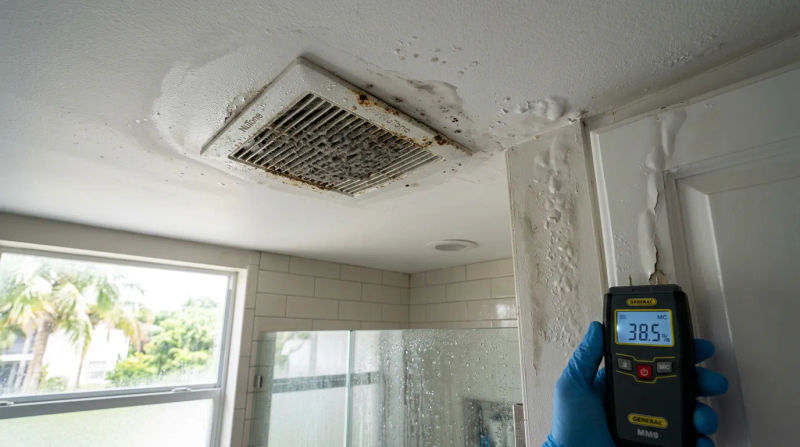
That lingering fog on your bathroom mirror long after a hot shower is more than just a daily annoyance. Here in Boca Raton, where the air is thick with coastal humidity, that persistent steam is a warning sign. When you step out of the shower and into a room that feels more like a sauna, it’s a clear indication that your bathroom's ventilation system is struggling to keep up. This is especially true as we move through September and the late hurricane season, when frequent downpours and high humidity mean we're keeping our windows closed more often, trapping that moisture inside.
As a project manager with over a decade of experience in South Florida renovations, I’ve seen firsthand how quickly inadequate ventilation can cause damage. What starts as a foggy mirror can escalate into peeling paint, warped cabinetry, and even mold growth. It’s a common issue, particularly in homes built during the development boom of the 1970s and 1980s, where original ventilation systems were often an afterthought. Understanding the signs of poor ventilation is the first step toward protecting your home and ensuring your bathroom remains a clean, healthy space.
Common Signs and Symptoms
Identifying a ventilation problem early can save you from more costly repairs down the road. Our technicians are trained to spot these issues during initial assessments, but you can look for them yourself. These are the most common red flags we see in homes across the Boca Raton area.
- Persistent Condensation: After a shower or bath, do you notice water droplets clinging to mirrors, windows, and even the walls for more than 10-15 minutes? This is a primary indicator that humid air isn't being exhausted effectively.
- Condensation Peeling Paint Bathroom Signs: This is one of the most visible symptoms. Moisture seeps behind the paint, causing it to lose adhesion. You’ll see bubbling, flaking, or peeling, especially on the ceiling directly above the shower or on the upper parts of walls. This is a sure sign that moisture is saturating the drywall.
- Visible Mold or Mildew: Dark spots in grout lines, black specks on the ceiling, or pinkish film in the corners of your shower are not just cleaning issues. Mold and mildew thrive in damp, stagnant environments, and their presence is definitive proof of a moisture problem that needs to be addressed at its source.
- Lingering Musty Odors: If your bathroom has a persistent damp or earthy smell, even after you’ve thoroughly cleaned it, you’re likely smelling mildew or mold growing in hidden areas like behind walls or under the vanity. A properly ventilated bathroom should smell fresh and dry shortly after use.
- Damage to Wood and Finishes: Moisture is the enemy of wood and composite materials. Look for swollen or warped cabinet doors, peeling paint or finish on your vanity, and baseboards that are separating from the wall. This indicates the ambient humidity in the room is consistently too high.
- A Noisy or Ineffective Fan: Many homeowners assume that if the fan is making noise, it must be working. However, an excessively loud or rattling fan is often a sign of a failing motor or an obstruction. The ultimate test is performance - if you run the fan and the room still feels steamy, it isn't doing its job.
- Slow-Drying Linens: Are your bath towels and floor mats still damp hours after use? In our humid Florida climate, textiles can take longer to dry, but if they feel perpetually damp inside your bathroom, it’s a sign the air itself is saturated with moisture.
What Causes This Problem
Understanding the root cause of poor ventilation is key to implementing a lasting solution. It’s rarely just one thing; often, it's a combination of factors related to the original construction, age, and our unique South Florida environment.
- Undersized or Outdated Fan: The most frequent culprit is a fan that’s simply not powerful enough for the size of the bathroom. Fan capacity is measured in Cubic Feet per Minute (CFM). The general rule is you need at least 1 CFM for every square foot of floor space. Many homes in Boca Raton, especially those built in the 1970s and 1980s, were equipped with low-CFM, builder-grade fans that were barely adequate when new and are completely overwhelmed by today's standards and our climate.
- Improper Venting: This is a critical and surprisingly common issue our crews uncover. A bathroom fan is supposed to exhaust moist air to the outside of the home through a dedicated duct. Unfortunately, we often find fans that vent directly into the attic or the space between ceiling joists. This doesn't solve the problem; it just moves the warm, moist air to another part of your home where it can cause mold, wood rot, and insulation damage.
- Blocked or Kinked Ductwork: Over time, the exhaust duct can become clogged with lint, dust, and debris, severely restricting airflow. In other cases, flexible ducting may have been installed with sharp bends or kinks that choke off the air path. An inspection of the duct run is essential for a proper diagnosis.
- Lack of 'Make-Up' Air: For an exhaust fan to work, it needs a source of replacement air. If the bathroom door is sealed too tightly, the fan can struggle to pull air out, creating a vacuum effect. Simply cracking the door or having a proper gap at the bottom can significantly improve fan performance.
When to Call a Professional
While some minor maintenance is within reach for a handy homeowner, diagnosing and correcting significant ventilation issues typically requires professional expertise. A simple DIY check is the "tissue test": turn on your fan and hold a single square of toilet paper up to the grille. If the fan can’t hold it firmly in place, its suction is too weak.
However, for a real solution, especially one that may involve a bathroom ventilation remodel, calling an experienced professional is the safest and most effective route. Here’s why:
- Accurate Sizing and Selection: A professional will properly calculate the required CFM for your bathroom's volume and recommend a modern, quiet, and efficient fan. A Boca Raton bathroom fan upgrade isn't just about replacing the unit; it's about installing the right unit.
- Code Compliance and Safety: Replacing a fan involves electrical work and ensuring the system complies with Florida bathroom ventilation requirements. Professionals ensure that all work is done to code, from the wiring to the exterior vent termination, which is crucial for your family's safety and your home's value.
- Ductwork Expertise: The most critical part of the system is the ductwork. Our trained crews have the equipment and experience to access attics and other tight spaces to inspect, repair, or replace ducts. They ensure the path is clear, properly sealed, and vented to the exterior - not into your attic.
- Holistic Problem Solving: A qualified professional can determine if the ventilation issue has caused secondary damage, such as compromised drywall or hidden mold. During a remodel, we integrate proper ventilation into the overall plan, ensuring the beautiful new finishes you’ve chosen are protected for years to come.
Conclusion
In a humid climate like ours in Boca Raton, effective bathroom ventilation is not a luxury - it's a necessity for maintaining a healthy home. Persistent condensation, peeling paint, musty odors, and visible mildew are all clear signs that your current system is failing. While it can be tempting to ignore a steamy mirror, doing so allows moisture to cause progressive, and often hidden, damage to your home's structure and finishes.
Addressing these symptoms early is the most cost-effective approach. A simple fan upgrade or duct repair today can prevent a much larger and more complex renovation involving mold remediation and structural repairs tomorrow. Don’t let a small moisture problem grow into a major headache.
If you notice any of these signs, contact a local Renovation professional for an inspection. They can properly diagnose the issue and recommend the right solution to protect your home.